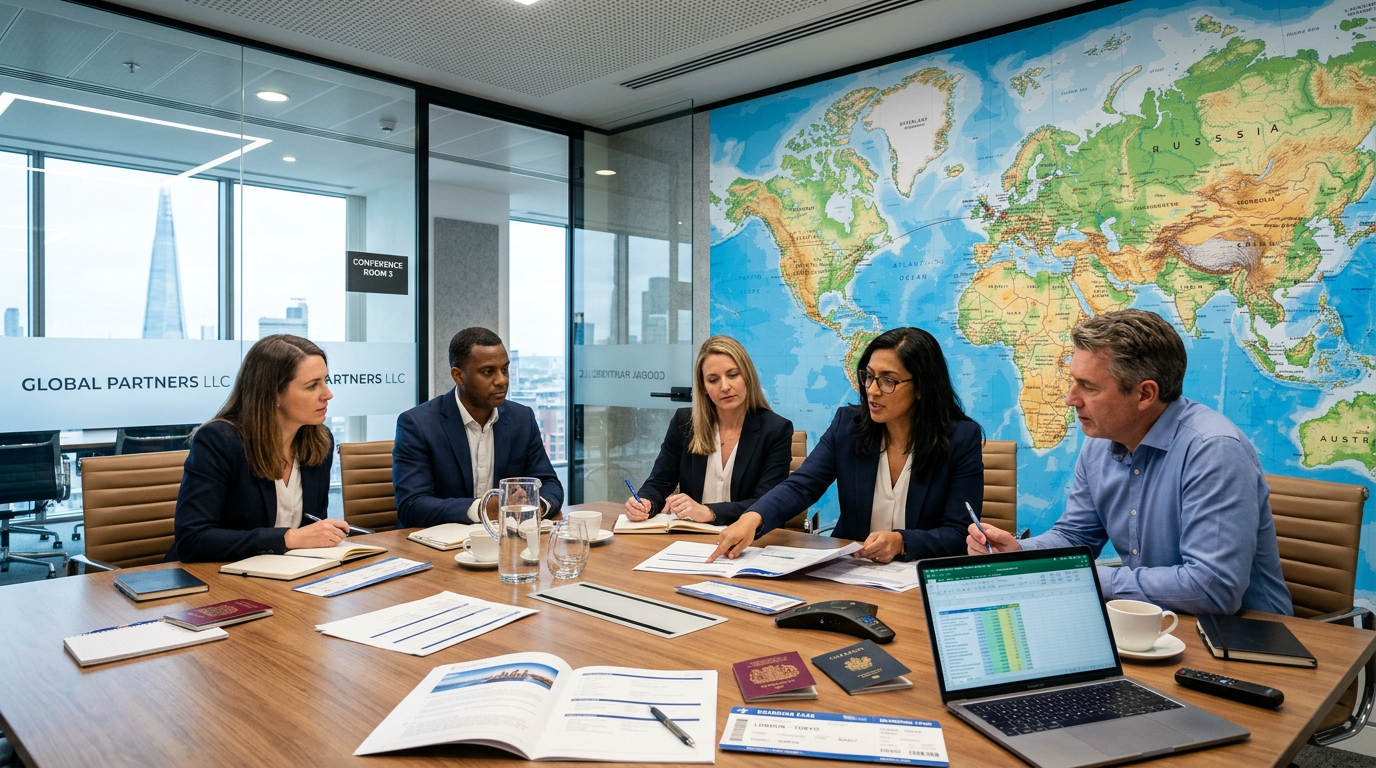
Corporate travel programmes have become significantly more complex over the past decade.
Travel managers and procurement teams are now expected to balance cost control, traveller experience, supplier performance, policy compliance, sustainability targets, duty of care, and rapidly evolving technology platforms, often with lean internal teams and increasing operational pressure.
According to BTN Europe, many travel managers now manage responsibilities beyond travel itself, including sourcing, meetings and events, expense management, and wider procurement activities. In some organisations, travel may represent only a relatively small percentage of a much broader indirect spend portfolio.
This creates an interesting challenge.
Procurement teams are often highly capable commercially, but may not always have deep specialist expertise across the travel ecosystem itself. That includes travel management companies (TMCs), online booking tools (OBTs), hotel programmes, traveller behaviour, policy optimisation, supplier benchmarking, and the technology platforms underpinning modern business travel.
This is where flexible expertise becomes valuable.
The Rise of Specialist Travel Expertise
Over the past few years, a growing number of highly experienced travel professionals have moved into independent consulting, advisory, and flexible leadership roles.
Many have spent decades inside:
- global travel management companies
- travel technology providers
- enterprise travel programmes
- procurement teams
- supplier organisations
They understand the operational realities behind corporate travel because they have managed these programmes directly.
At the same time, businesses are under pressure to remain agile, reduce fixed overhead, and access specialist knowledge only when required.
This shift is happening across many industries. LinkedIn profiles referencing “fractional” roles have risen sharply in recent years, reflecting the growing demand for flexible senior expertise.
Where Flexible Expertise Creates Value
Travel and procurement specialists are often most valuable during key moments of change or complexity, including:
- TMC reviews and tender processes
- travel policy redesign
- OBT optimisation and traveller adoption
- supplier benchmarking and negotiations
- hotel programme reviews
- travel technology selection
- sustainability and duty-of-care initiatives
- programme restructuring
- traveller communication and change management
In many cases, organisations do not require another permanent senior hire.
They simply need experienced guidance during periods where decisions carry commercial, operational, or reputational risk.
A More Strategic Approach to Travel
Business travel procurement has become increasingly strategic.
Modern programmes now sit at the intersection of procurement, finance, operations, HR, technology, and employee experience.
Travel decisions influence:
- cost control
- productivity
- compliance
- sustainability reporting
- employee satisfaction
- risk management
At the same time, travel technology continues evolving rapidly.
BTN research has shown that buyers increasingly expect TMCs and suppliers to support broader technology integration and data capabilities, adding another layer of complexity to sourcing and programme management.
Flexible expertise allows organisations to access deep domain knowledge without carrying full-time overhead.
For many businesses, this creates a more practical and commercially efficient operating model.
A More Flexible Future
This approach does not replace internal travel managers, procurement teams, or supplier relationships.
Instead, it creates an additional layer of specialist support that can be deployed selectively during key inflection points where experience matters most.
As business travel continues evolving alongside AI, automation, sustainability pressures, and changing workforce expectations, access to flexible expertise may increasingly become a competitive advantage.
The organisations that adapt fastest may not always be the ones with the largest internal teams.
They may simply be the ones most effective at accessing the right expertise at the right time.
Related Expertise
At Boost, we’ve also worked with experienced travel and programme specialists transitioning into more flexible consulting and advisory models.
Examples include:
- Kim Conway, Global Travel & Meetings Consultant
- Synneva Zempel, Global Travel Programme Specialist
Their experience reflects a broader shift already taking place across many specialist industries.
Sources & Industry References
This article references publicly available industry research and reporting, including:
- BTN Europe research into the expanding responsibilities of travel managers: https://www.businesstravelnewseurope.com/Management/Travel-managers-report-expanded-job-scope
- Corporate Travel Management (CTM) reporting on the evolution of travel procurement: https://uk.travelctm.com/blog/30-years-business-travel-procurement-trends/
- BTN research into travel technology sourcing and TMC capabilities: https://www.businesstravelnews.com/Research/Ecosystem-Play-2024/Shifting-Technological-Grounds-in-TMC-Sourcing
- Public reporting on the growth of flexible and fractional leadership models: https://www.axios.com/2024/12/27/c-suite-fractional-freelance-gig
- Procurement and talent market reporting linked to CIPS research: https://uk.grafton-recruitment.com/en/securing-talent-pipeline-procurements-workforce-challenge-2025